


How to Set a Relaxed Linen Table for Guests
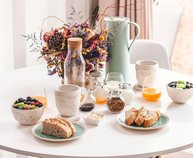
Mix linen napkins, simple glassware and seasonal flowers for an informal table. Avoid over-styling so the fabric remains the focus.

Why Linen Sets the Tone
There is a particular kind of welcome that only a linen table gives. Not the crisp polish of hotel silverware, but something softer — a table that looks as though people have already enjoyed themselves at it and will do so again. Natural linen has a texture you can see from across the room: the slubs, the variations in weave, the gentle sheen of flax rather than print or coating. That texture does much of the decorative work for you, so you can put far less on the table and still have it look beautiful.
The trick to a relaxed linen table is restraint. Every extra item — patterned plates, elaborate centrepieces, coloured glasses — competes with the fabric. Choose a few simple things and let the linen carry the rest.
Choose the Linen Layer First
Decide what the linen is doing before you set anything else down.
- A full tablecloth makes a table feel dressed. For a drop of about 25–30cm at each side, add 50–60cm to the length and width of your table. Longer pools in laps; shorter can look like a mistake.
- A runner leaves the wood or painted surface on show and reads instantly as informal. A runner around a third of the table's width looks balanced. Run it lengthways, or lay two shorter ones across the table and set places on top.
- Napkins only is the most relaxed option of all, and lets a beautiful table do its own work. It suits a long lunch or any meal served from big dishes in the middle.
On colour, washed undyed linen — oatmeal, flax, chalk white — forgives spills and matches almost anything. If you want colour, choose one soft tone and keep everything else neutral. Two or three closely related muted shades, such as olive with stone or clay with pale grey, look intentional without looking themed.
Napkins and the Art of Not Folding Them
Napkins are where a table tips from relaxed into effortful. Skip the fans, crowns and standing cones. Linen napkins look best pressed flat, folded once loosely, or rolled and laid across the plate. If you tie them, use one length of narrow ribbon, twine or a sprig of rosemary — one thing, not three.
Size matters more than you might think. A 40–45cm square is the sweet spot: big enough to cover a lap, small enough to look neat on a plate. Allow one per person plus a spare or two in a pile. Wash new napkins two or three times before their first outing; linen softens dramatically, and a stiff, unwashed napkin is not a lovely thing to unfold.
Glassware, Plates and Cutlery
The commonest mistake now is over-provision. Guests should be able to reach what they need without lifting anything out of the way.
- One water glass each, plus one wine glass if you are serving wine. Clear, simple tumblers sit well with linen because they do not draw the eye.
- Plain white or off-white plates, matte rather than glossy. If your set is unmatched, mix in one direction: all different, all in the same palette.
- Cutlery laid directly on the cloth, about 2cm from the table edge. No knife rests unless you genuinely use them.
Serve from a few large bowls and platters in the centre rather than plating in the kitchen. It looks generous, saves you work, and keeps the rhythm of the table easy.
Seasonal Flowers and Light
Flowers should feel gathered rather than arranged. A single stem in a little glass, a low bowl of whatever is in season, a few branches laid along the runner — that is plenty.
- Spring: daffodils and narcissi, tulips with their leaves left on, a jam jar of muscari.
- Summer: sweet peas, cornflowers, a shallow dish of roses, mint sprigs in a tumbler.
- Autumn: dahlias, seed heads, a handful of crab apples, dried grasses.
- Winter: eucalyptus, ivy, hellebores, bare twigs, a bowl of quince.
Keep anything tall out of the centre, or move it to one side, so guests can see one another. The same goes for candles: low tapers in simple holders, or a couple of pillars, will warm the linen without competing with it. Beeswax in warm ivory suits natural linen far better than bright white, and scented candles should stay away from the table altogether — they fight with the food.
Living with the Creases
Finally, resist pressing every linen item into submission. Linen is meant to crease; it is part of how it looks and feels. A light steam as you lay the cloth settles the worst of the folds. If you iron, do it on the reverse while slightly damp and skip the starch entirely. Wash at 30 or 40 degrees with a gentle detergent, avoid fabric conditioner — it coats the fibres and reduces their natural absorbency — and line dry where you can.
Set the table an hour before guests arrive, put some music on, and leave it alone. The rumples will appear as people sit down and reach across, and by then that is exactly what you want.

Post a comment